Foundation Logo
Foundation

AI and the Potato Industry

Artificial Intelligence for the Potato Industry — Growers, Industry & Partners

Sidney Shapiro, PhD

Assistant Professor of Business Analytics

Dhillon School of Business

University of Lethbridge

Session 2: How AI Can Inform and Streamline Your Business

Duration: 1 hour | Focus: Practical AI applications for potato growing operations

AI Applications in Potato Growing

This session explores specific ways AI can be applied to inform and streamline your potato growing business. We'll cover real-world applications that can help you make better decisions, reduce costs, and increase efficiency. For examples of who is working in this space—from industry initiatives to research and Canadian media stories—see the Potato + Data and Media & coverage sections on the Resources page.

Alberta and Canada in the picture

Closer to home: Presia Ag Insights offers satellite-based crop intelligence for potato and specialty crops (yield forecasting, harvest timing). Scale AI Precision Harvest (McCain) uses data and AI for harvest sequencing and pile management. For local context, see CBC: Alberta potato production booming despite drought and other stories on the Resources page.

Field Management & Crop Optimization

Soil & Crop Analysis

  • AI-powered soil analysis to optimize fertilizer application
  • Predictive models for crop health and disease detection
  • Optimal planting density recommendations based on field conditions
  • Real-time crop monitoring through satellite imagery and drones
AI and field analysis

Resource Management

💧 Water Management

AI systems can optimize irrigation schedules based on weather forecasts, soil moisture levels, and crop needs, reducing water usage while maintaining yield quality.

⚡ Energy Optimization

Predictive maintenance for equipment and optimized energy usage in storage facilities can reduce operational costs significantly.

📦 Inventory Management

AI can predict optimal inventory levels for seeds, fertilizers, and supplies, reducing waste and ensuring availability when needed.

Market Intelligence & Business Decisions

Market Analysis & Pricing

  • Price Forecasting: AI models can analyze historical price data, market trends, and external factors to help you make informed decisions about when to sell. By combining potato contract prices, seasonal patterns, and factors like weather or supply shocks, these tools can suggest windows to lock in prices or hold inventory. Many growers use such insights alongside their own experience to time sales and reduce price risk.
  • Demand Prediction: Understanding market demand patterns can help optimize planting decisions and storage strategies. AI can identify which varieties or pack sizes are trending in retail and food service, so you can align acreage and storage plans with expected demand. That can reduce oversupply in weak segments and help you target higher-value outlets.
  • Competitive Analysis: AI tools can monitor market conditions and competitor activities to inform your business strategy. They can track regional production reports, import volumes, and industry news to give you a clearer picture of supply and where your operation fits. This kind of intelligence supports decisions on expansion, contracting, and differentiation (e.g. quality, sustainability, or niche varieties).

Operational Efficiency

📋 Record Keeping

Automated data entry and organization of field records, harvest data, and financial information reduces administrative burden.

Try demo →

📊 Financial Planning

AI can help with budget forecasting, cost analysis, and financial planning based on historical data and projected yields.

Try demo →

🚜 Equipment Scheduling

Optimize equipment usage and maintenance schedules to maximize efficiency and reduce downtime.

Try demo →

👥 Labor Management

AI can help optimize labor scheduling based on weather forecasts, crop conditions, and operational needs.

Try demo →

Risk Management

AI can help identify and mitigate various risks in your operation:
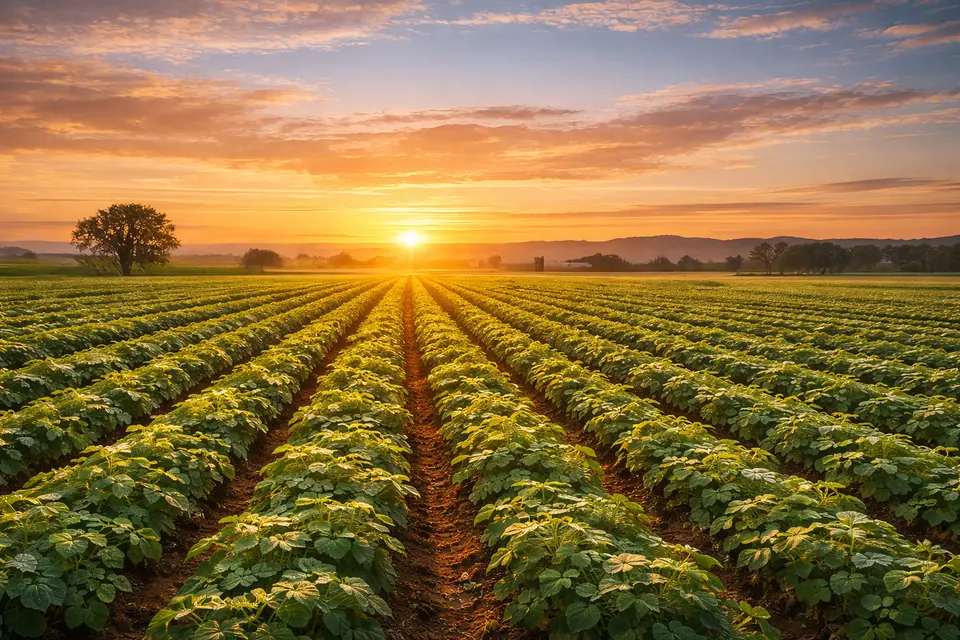
  • Weather Risk: Advanced weather prediction models can help you prepare for adverse conditions and optimize planting/harvesting timing.
  • Disease & Pest Risk: Early detection systems can identify potential problems before they become widespread.
  • Market Risk: Price volatility analysis can inform hedging and sales strategies.
  • Financial Risk: Cash flow forecasting and financial modeling help ensure operational stability.

Getting Started: Implementation Considerations

Key Questions to Consider:

  • What specific challenges or inefficiencies in your operation could AI help address?
  • What data do you already collect that could be used by AI systems?
  • What is your budget for technology investments, and what ROI do you need to see?
  • Do you have reliable internet connectivity for cloud-based AI tools?
  • What level of technical support is available in your area?

Session 2 Key Takeaways

  • AI can streamline operations across field management, resource optimization, and business administration
  • Market intelligence tools can help inform pricing and sales timing decisions
  • Risk management through AI can help protect your operation from various threats
  • Implementation should be tailored to your specific needs, budget, and technical capabilities